
Road signs quiz: what does this sign mean?
Fifteen questions from the Highway Code's signs, using the Department for Transport's own images. Some show a sign and ask what it means, some name a sign and ask you to pick it out, and every answer comes with the reason.
Red circles mostly tell you what you must not do. Blue circles tell you what you must do. Triangles warn. Rectangles inform. Those four rules settle most signs before you have looked at the picture, and the wrong answers here are the signs people actually mix up.
Ready when you are
- 15 questions
- About 4 minutes
- Answers explained
- Nothing saved
Every sign in this quiz
Each sign with what it means, for going over afterwards.
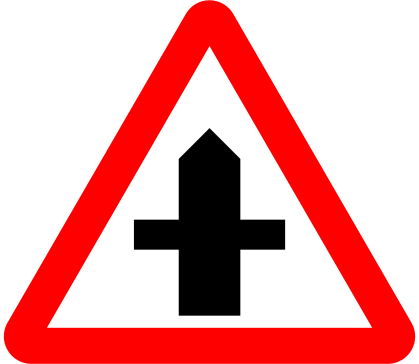
CrossroadsCrossroads ahead. The thicker line is the road with priority, usually the one you are on. 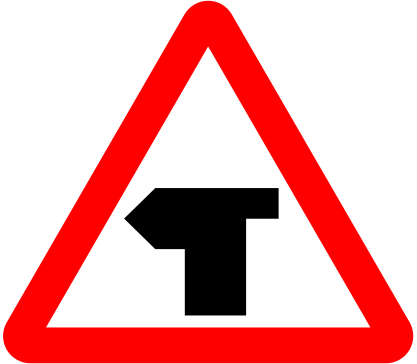
T-junctionA T-junction ahead: the road you are on meets another and you must turn left or right. 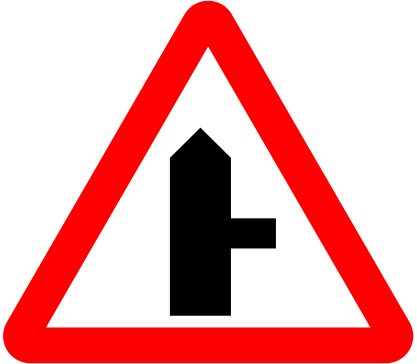
Side road on the rightA side road joins from the right ahead. Watch for vehicles pulling out of it. 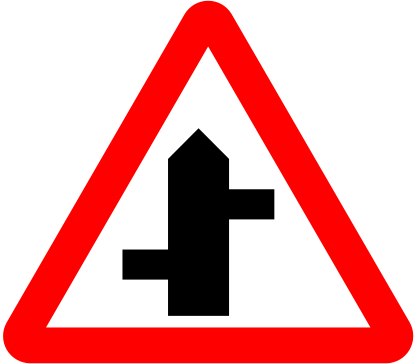
Staggered junctionA staggered junction ahead: side roads join from both sides, a short distance apart. 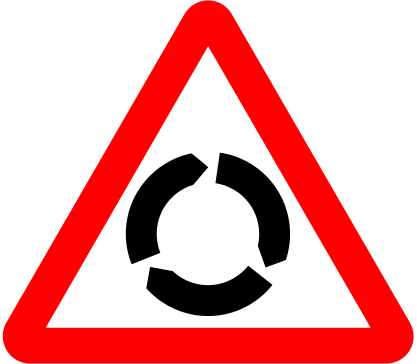
RoundaboutA roundabout ahead. Slow down and choose your lane and exit on the approach. 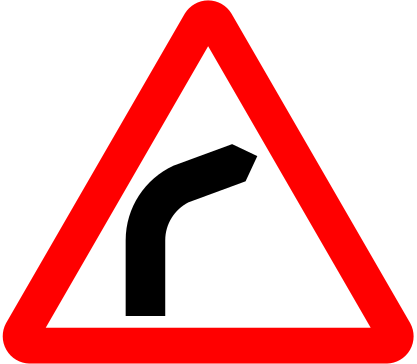
Bend to the rightA bend to the right ahead. The same sign reversed warns of a bend to the left. 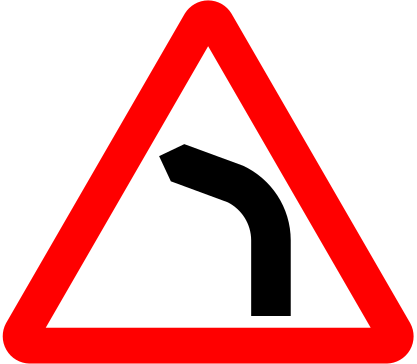
Bend to the leftA bend to the left ahead. 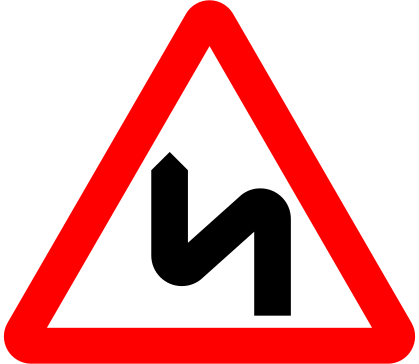
Double bend, first to the leftA double bend ahead, the first to the left. Reversed, the first bend is to the right. 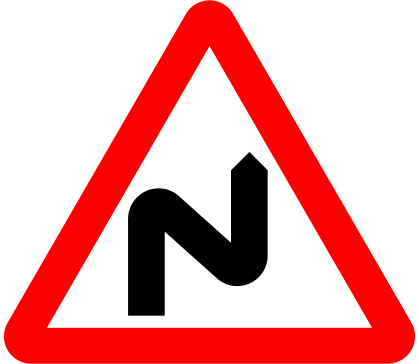
Double bend, first to the rightA double bend ahead, the first to the right. 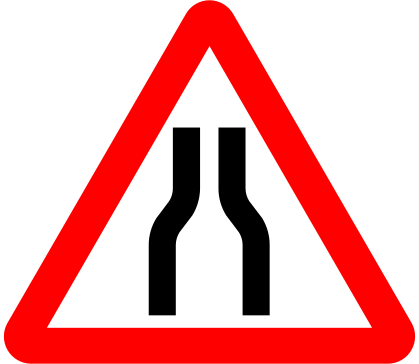
Road narrows on both sidesThe road narrows on both sides ahead. 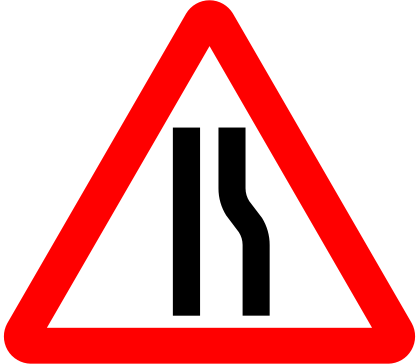
Road narrows on the rightThe road narrows on the right ahead. Reversed, it narrows on the left. 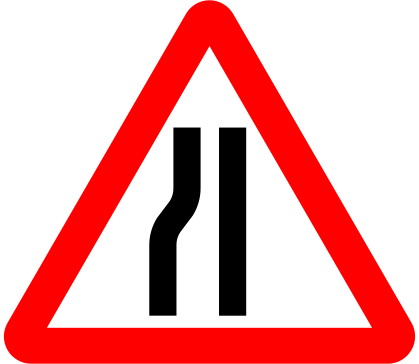
Road narrows on the leftThe road narrows on the left ahead. 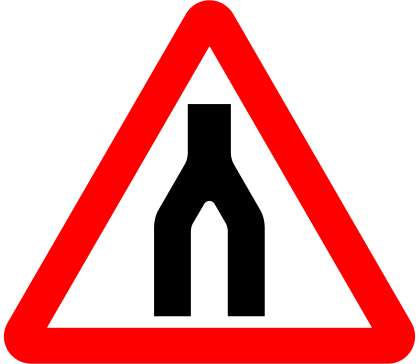
Dual carriageway endsThe dual carriageway ends ahead, and oncoming traffic will no longer be separated from you. 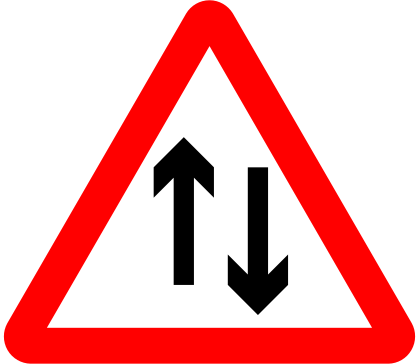
Two-way traffic straight aheadTwo-way traffic straight ahead, often where a one-way street ends. 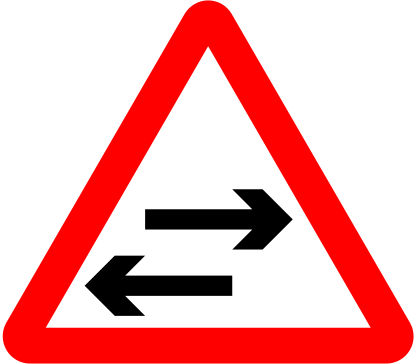
Two-way traffic crosses one-way roadTwo-way traffic crosses the one-way road you are on. Traffic will come from both sides at the junction. 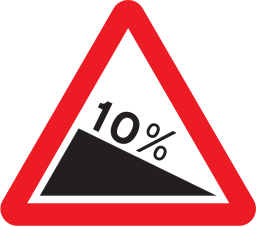
Steep hill downwardsA steep hill downwards, with the gradient shown. The slope falls from left to right. 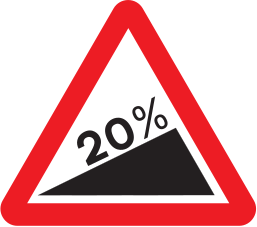
Steep hill upwardsA steep hill upwards, with the gradient shown. The slope rises from left to right. 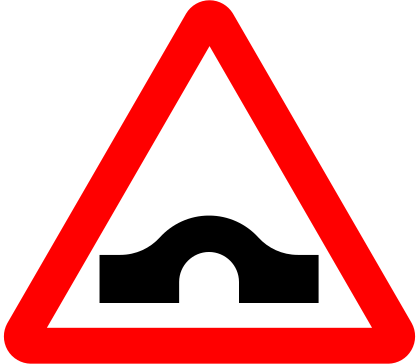
Hump bridgeA hump bridge ahead. You may not see oncoming traffic until you are on it. 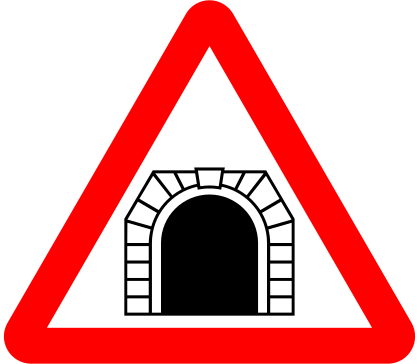
Tunnel aheadA tunnel ahead. Dipped headlights on, and take off your sunglasses. 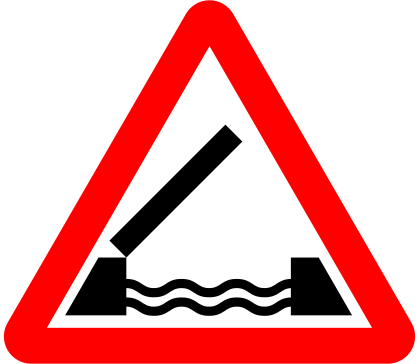
Opening or swing bridge aheadAn opening or swing bridge ahead. Be ready to stop if it is open. 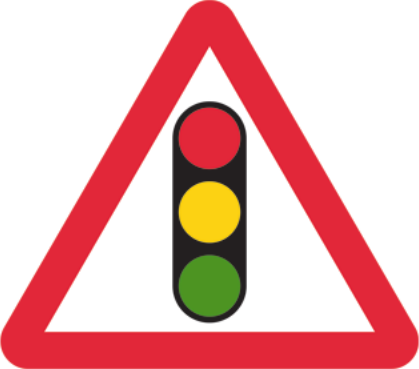
Traffic signalsTraffic signals ahead. Be ready for them to change. 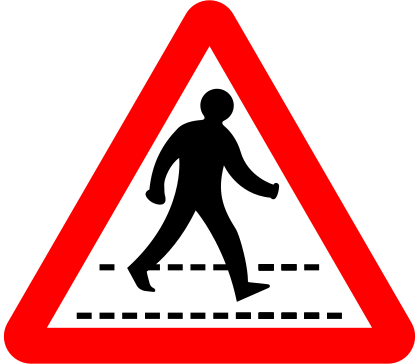
Pedestrian crossing aheadA pedestrian crossing ahead. Be ready to stop for people waiting to cross. 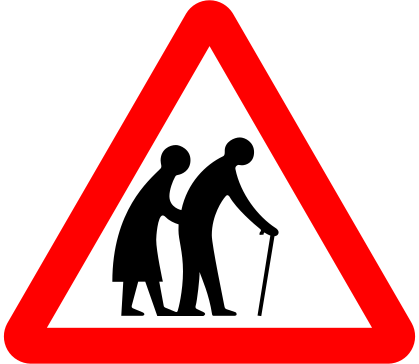
Elderly or frail pedestrians likely to crossElderly or frail pedestrians are likely to cross the road ahead, often near a care home or day centre. 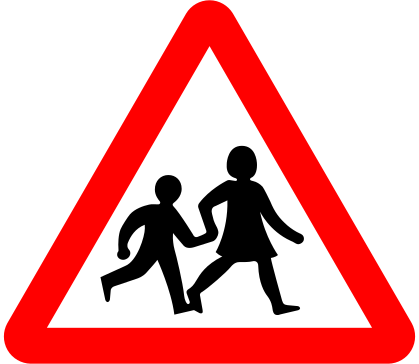
Children going to or from schoolChildren going to or from school. Slow down, especially at the start and end of the school day. 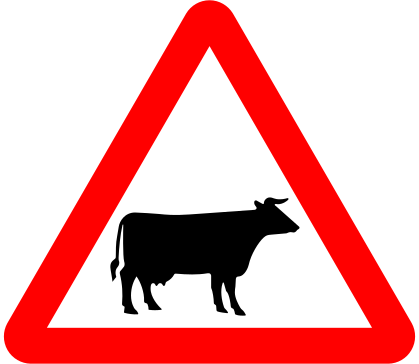
CattleCattle may be on the road ahead. 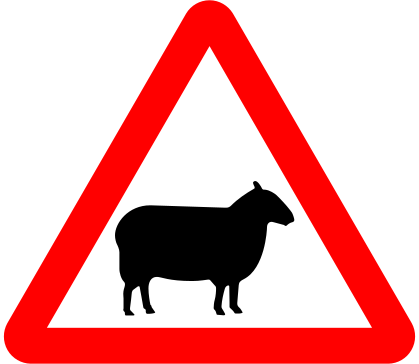
SheepSheep may be on the road ahead. 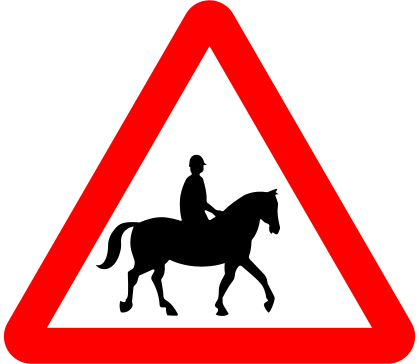
Accompanied horses or poniesHorses or ponies with riders ahead. Pass wide and slowly. 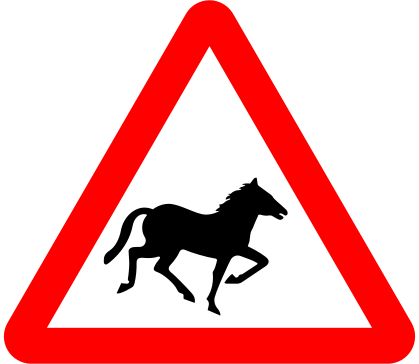
Wild horses or poniesWild horses or ponies may be on the road ahead, as in the New Forest or on Dartmoor. 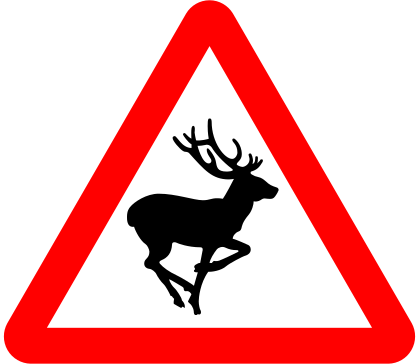
Wild animalsWild animals, usually deer, may cross the road ahead. 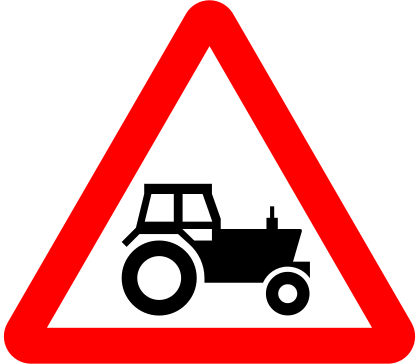
Agricultural vehiclesSlow agricultural vehicles, such as tractors, may be on the road ahead. 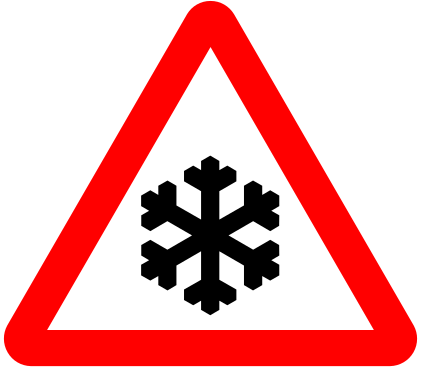
Risk of iceThere is a risk of ice on the road ahead. 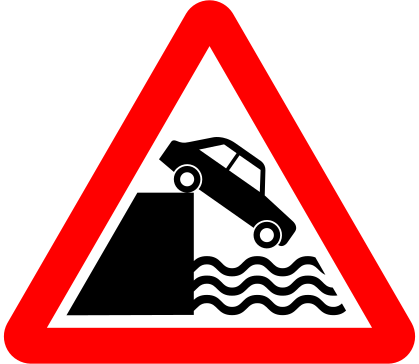
Quayside or river bankA quayside or river bank ahead. The road may end at the water. 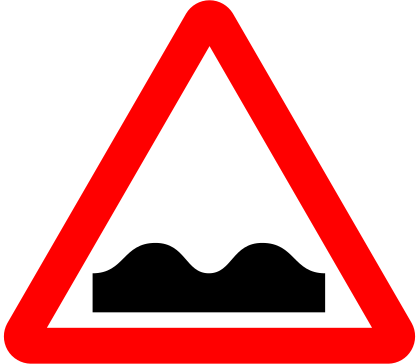
Uneven roadAn uneven road surface ahead. Slow down. 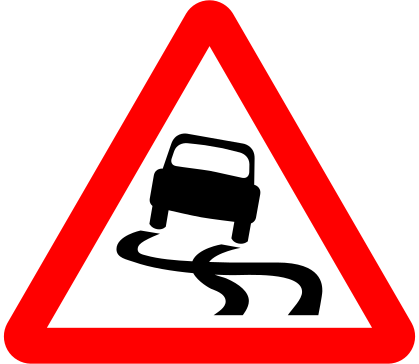
Slippery roadThe road ahead may be slippery. Slow down and leave more room. 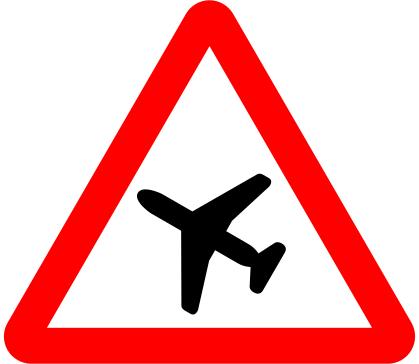
Low-flying aircraft or sudden aircraft noiseLow-flying aircraft or sudden aircraft noise ahead, near an airfield. 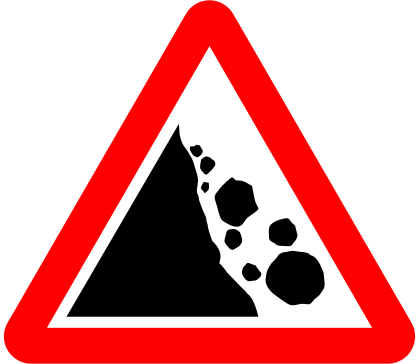
Falling or fallen rocksRocks may have fallen, or may fall, onto the road ahead. 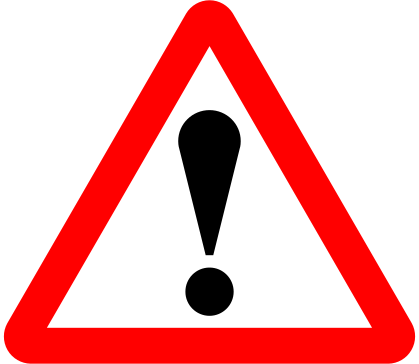
Other dangerOther danger ahead. A plate underneath says what it is. 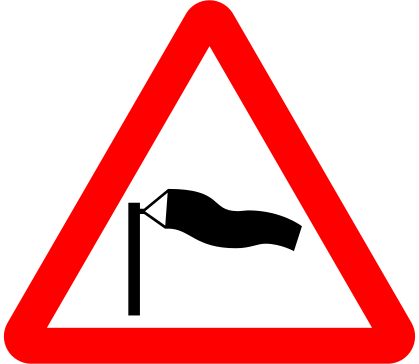
Side windsStrong side winds are likely ahead, often on exposed roads and bridges. 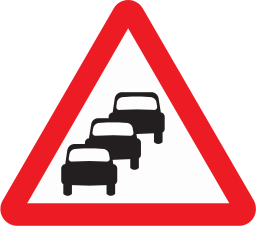
Traffic queues likely aheadTraffic queues are likely ahead. Be ready to slow down or stop. 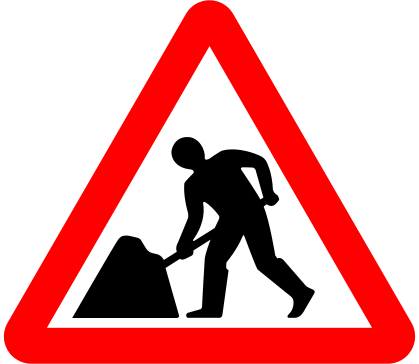
Road worksRoad works ahead. Slow down, and watch for workers, temporary lights and narrowed lanes. 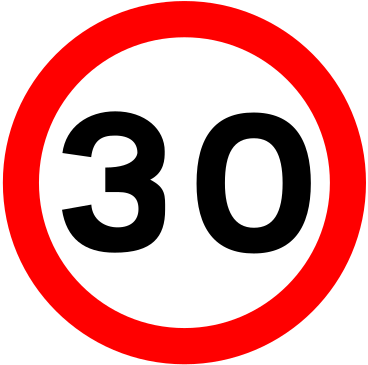
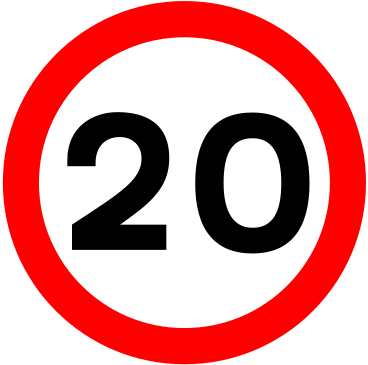
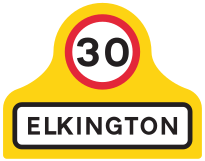
Maximum speed 30 mphA maximum speed of 30 mph applies from this sign until another speed limit sign. 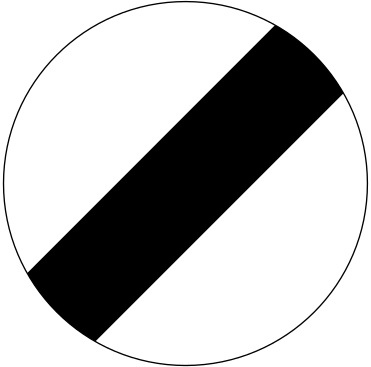
National speed limit appliesThe national speed limit applies. For a car that is 60 mph on a single carriageway and 70 mph on a dual carriageway or motorway. 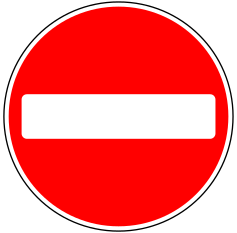
No entry for vehicular trafficNo entry for vehicles, usually the far end of a one-way street. 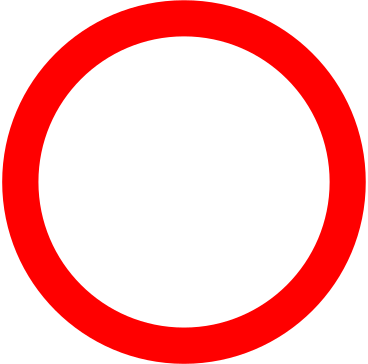
No vehicles except bicycles being pushedNo vehicles of any kind, except bicycles being pushed. A red ring with nothing inside means no vehicles. 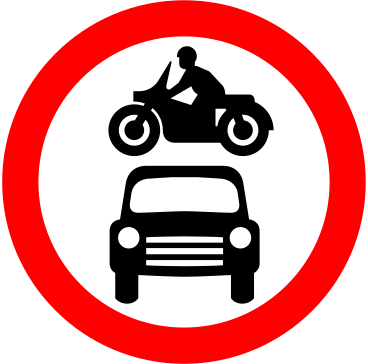
No motor vehiclesNo motor vehicles: cars, motorcycles and the rest. Cycles may still use the road. 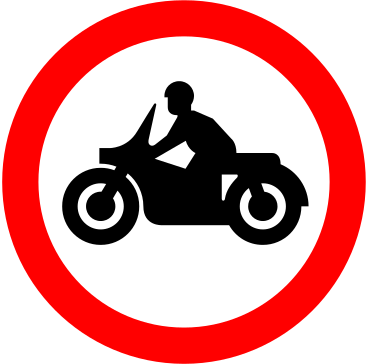
No motorcyclesNo solo motorcycles, scooters or mopeds. 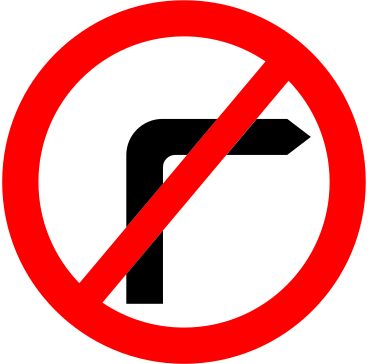
No right turnNo right turn at the junction ahead. 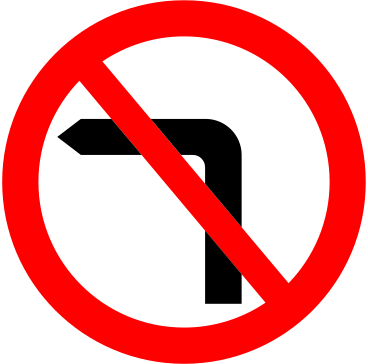
No left turnNo left turn at the junction ahead. 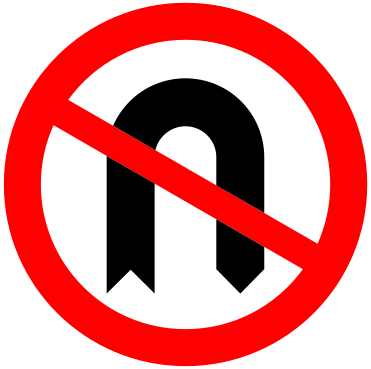
No U-turnsNo U-turns: you may not turn round to go back the way you came. 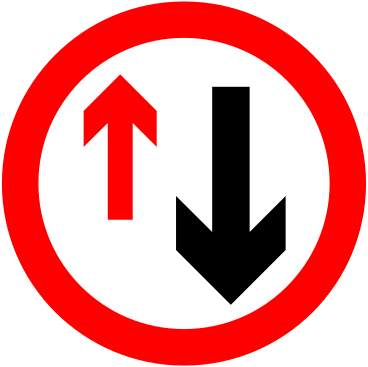
Give priority to vehicles from the opposite directionGive priority to vehicles coming the other way. Your direction is the small red arrow. 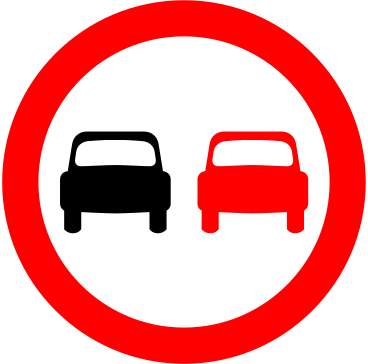
No overtakingNo overtaking from this sign until the end of the restriction. 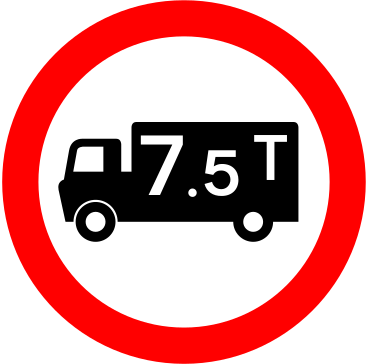
No goods vehicles over the maximum gross weight shownNo goods vehicles over the weight shown, in tonnes. A car can carry on. 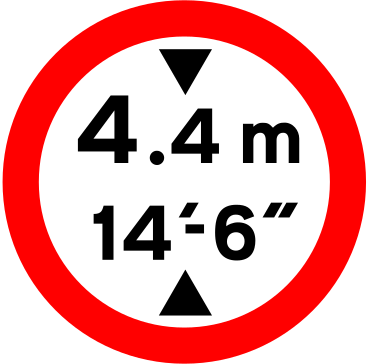
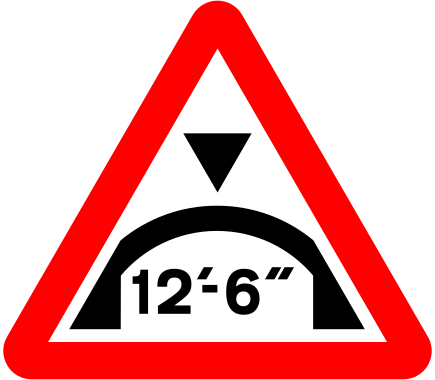
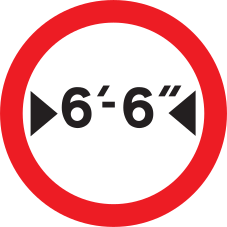
No vehicles over the height shownNo vehicles taller than the height shown, usually before a low bridge. 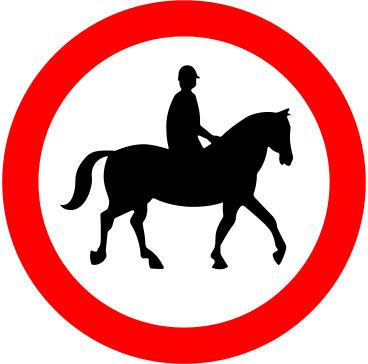
No ridden or accompanied horsesNo ridden or accompanied horses. 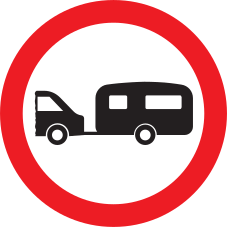
No towed caravansNo towed caravans. 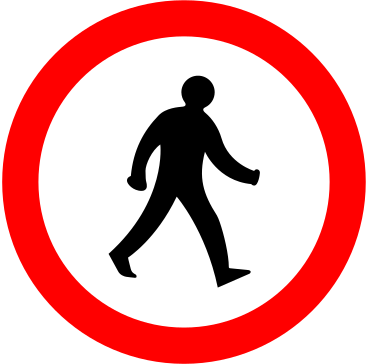
No pedestriansNo pedestrians. 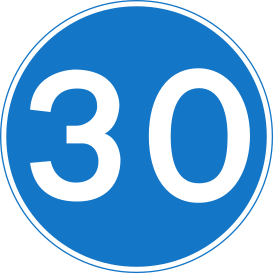
Minimum speed 30 mphA minimum speed of 30 mph. A number on a blue disc is a minimum, not a limit. 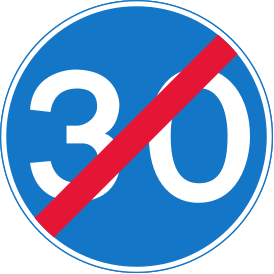
End of minimum speedThe end of the 30 mph minimum speed. 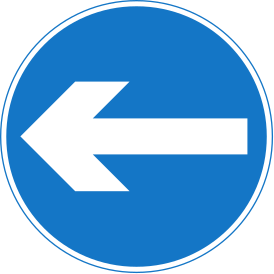
Turn leftTurn left. A straight arrow on a blue disc is an order for the junction you are at. 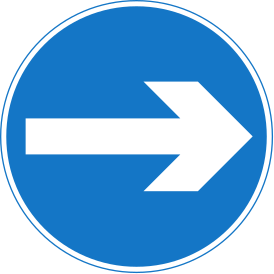
Turn rightTurn right at this junction. 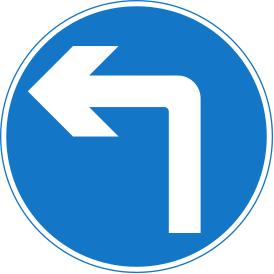
Turn left aheadTurn left at the junction ahead. The bent arrow means the turn is coming up. 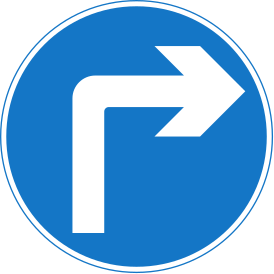
Turn right aheadTurn right at the junction ahead. 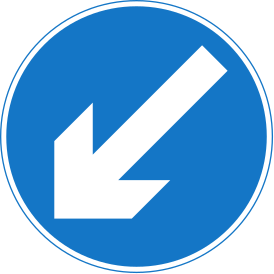
Keep leftKeep to the left of the sign, as on a traffic island. 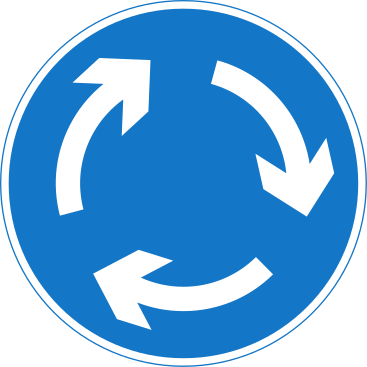
Mini-roundaboutA mini-roundabout: go round clockwise and give way to traffic from your immediate right. 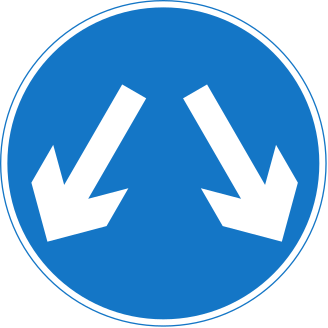
Vehicles may pass either side to reach the same destinationVehicles may pass either side of the sign to reach the same place. 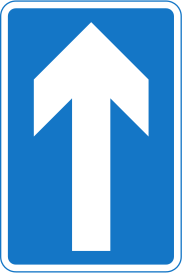
One-way trafficOne-way traffic. Compare the round blue "ahead only" order: a rectangle informs, a circle orders. 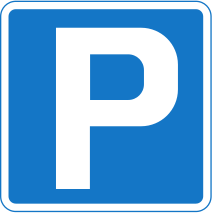
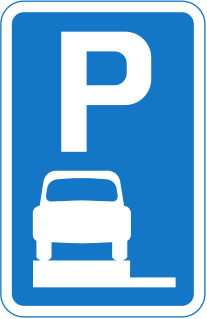
Parking place or lay-byA parking place or lay-by.
Road signs by kind
One kind at a time, with a quiz, flashcards and every sign of that kind with its meaning.

Questions people ask
What do the shapes of road signs mean?
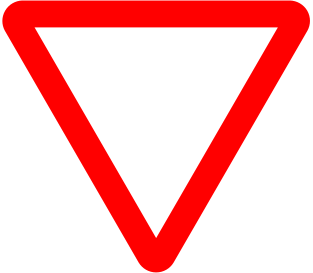
Circles give orders: a red ring mostly tells you what you must not do, a blue disc tells you what you must do. Triangles warn of something ahead. Rectangles give information or directions. The two exceptions you must know are the octagonal stop sign and the inverted give way triangle, shaped so they can be recognised from the back.
Are these the real road signs?
Yes. The images are the Department for Transport's own artwork, which it publishes for anyone to reproduce under the Open Government Licence. Worded signs are left out of the quiz because the words would give the answer away.
How many road sign questions are in the theory test?
The multiple choice part of the theory test has 50 questions across 14 topics, and road and traffic signs is one of the topics, so the number varies from test to test. The pass mark is 43.
Signed in
You are already on Driving Test Hero
Signed in as . Your test, your matches and your email settings are on My swaps.
Go to My swapsFree · about a minute
Is your test on the right date?
Months to wait for a date you are ready for, or a date that comes before you are? A swap with a learner who wants the opposite moves both of you, and DVSA does it over the phone. Tell us where your test is and which way you want to move, and we email you when a learner who could swap with you joins. Your email is never shown to anyone.
Already signed up? Sign in
One email to confirm, no password, and one click takes you off the list. How we handle your details.
No test booked yet? There is nothing to swap until you have one. Book on GOV.UK, then come back.