
Junctions: turning in and pulling out, step by step
Turning into a side road, pulling out of one, and how to look properly before you go. Each step matches the numbers on the pictures, and there is a quiz at the end.
The most common reason learners fail the test is Not making effective observations at junctions
, and fourth is Incorrect positioning when turning right at junctions
. DVSA's top 10 reasons for failing.
The routine, at every junction
The same five things, in the same order, whether you are turning in or pulling out. Instructors often call it MSPSL.
Mirrors
Interior mirror, then the door mirror on the side you are turning to. Know what is behind and beside you before you change anything.
Signal
In good time, so others can plan for it. If there is another turning just before yours, signal after it, so nobody thinks you mean that one.
Position
Turning left, keep to the left. Turning right, move to just left of the middle of the road. Pulling out, keep left of the side road for a left turn, and just left of its middle for a right.
Speed and gear
Brake while you are still straight, then a lower gear: usually second, or walking pace for a tight turn or a junction you cannot see out of.
Look
Into the road you are turning into, for people crossing and anything waiting. Before you pull out: right, left, right again, and keep looking as you go.
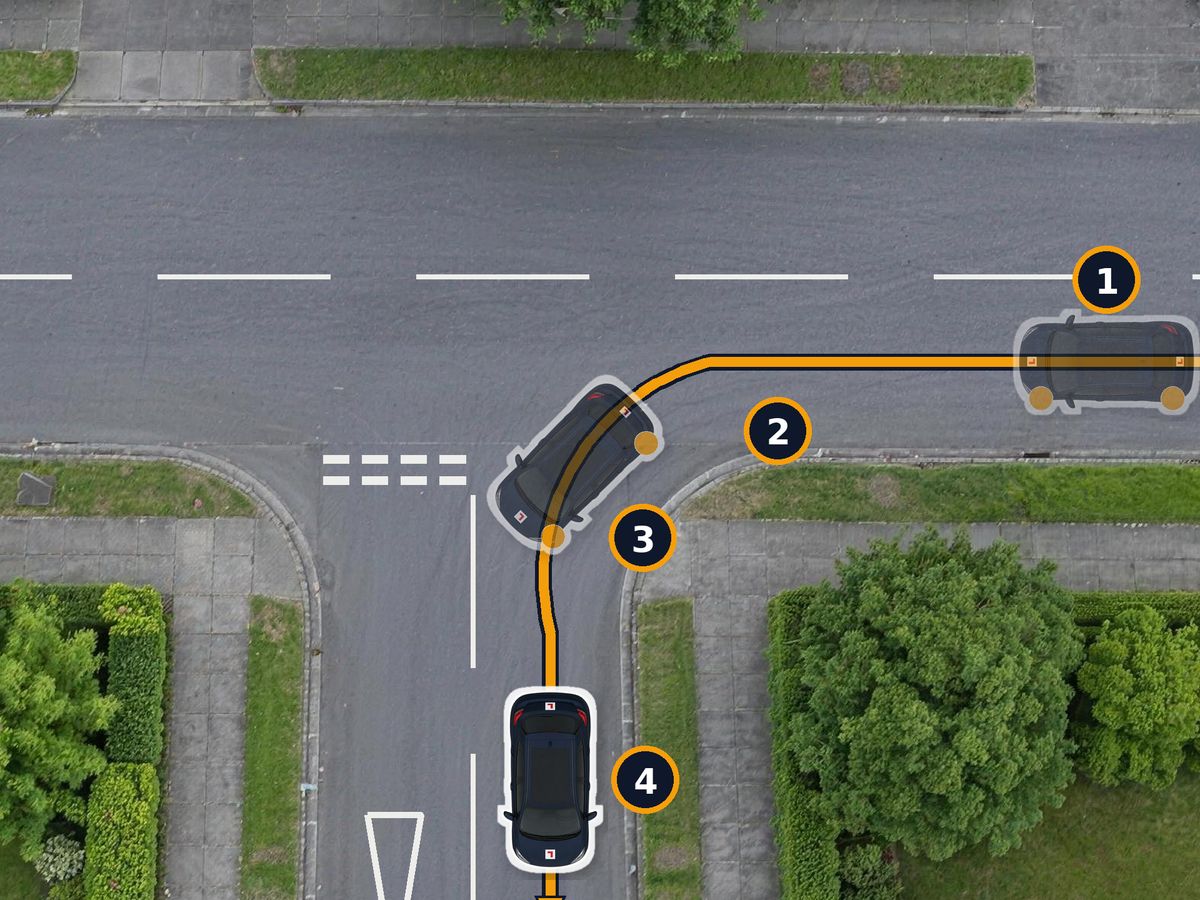
Turning left into a side road
Mirrors, then signal left in good time
Interior and left mirrors, then signal. If there is a turning or a driveway just before yours, signal after it.
Keep left, slow down, look into the road
Hold your place about a metre from the kerb. Brake while you are straight, then second gear. Look into the new road: people who have started to cross have priority.
Left mirror, then turn: no swinging out
A last look in the left mirror for a cyclist or motorcyclist coming up on your left, then steer, keeping close to the left all the way round.
Straighten up on the left
Into the left side of the new road. Check your mirrors, make sure the signal has gone off, and build up to a speed that suits the road.
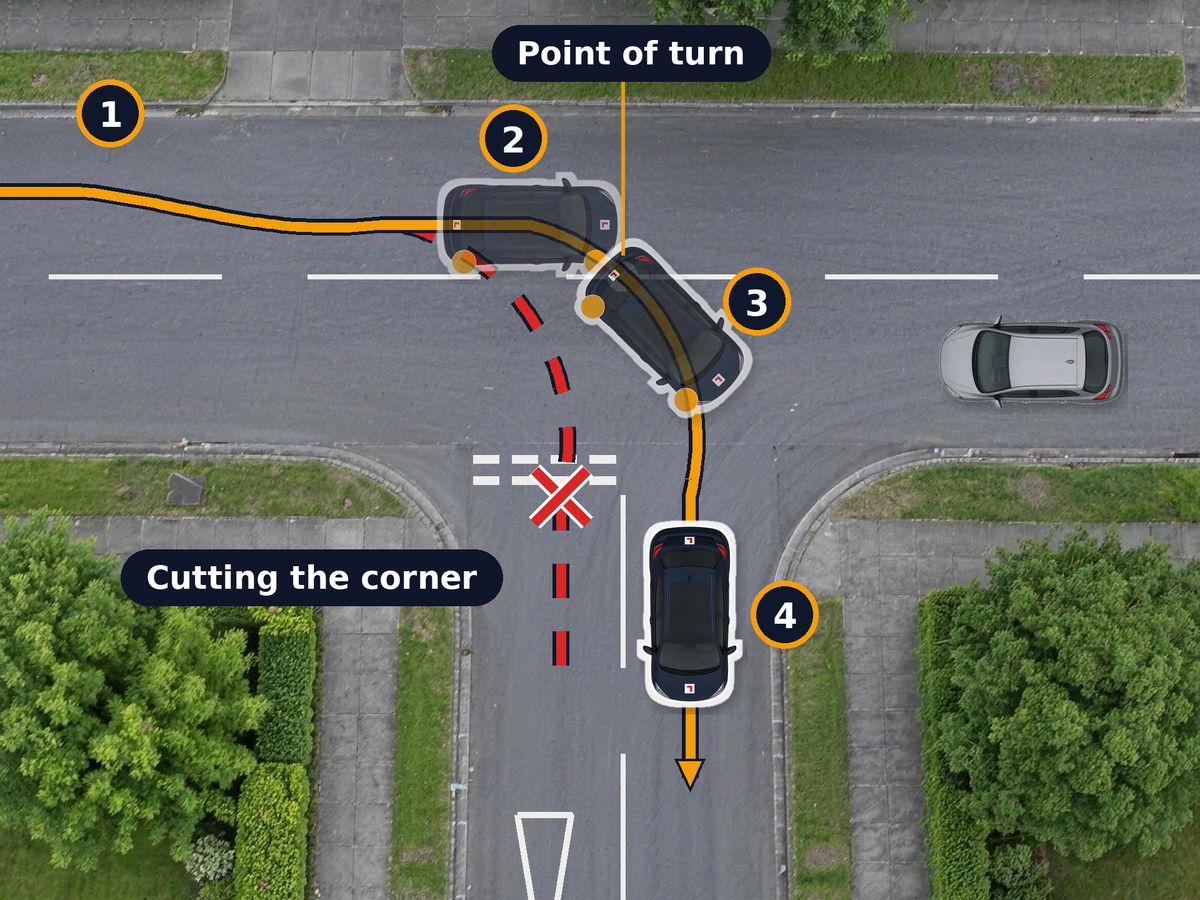
Turning right into a side road
Mirrors, signal right, move to the middle
Interior and right mirrors, signal right, then move to just left of the middle of the road, so traffic behind can pass on your left.
Stop at the point of turn if anything is coming
The point of turn is where the middle of your road meets the middle of the new one. Wait with the front of your car about level with it and your wheels straight, so a bump from behind would not push you into the oncoming traffic.
A safe gap: right mirror and blind spot, then turn
Wait for a gap you do not have to hurry through. Look into the new road for people crossing, then a last check of your right mirror and blind spot in case someone is overtaking you.
Into the left of the new road
Turn at the point of turn, not before. Cutting the corner puts you on the wrong side of the new road, where a driver may be waiting to pull out.
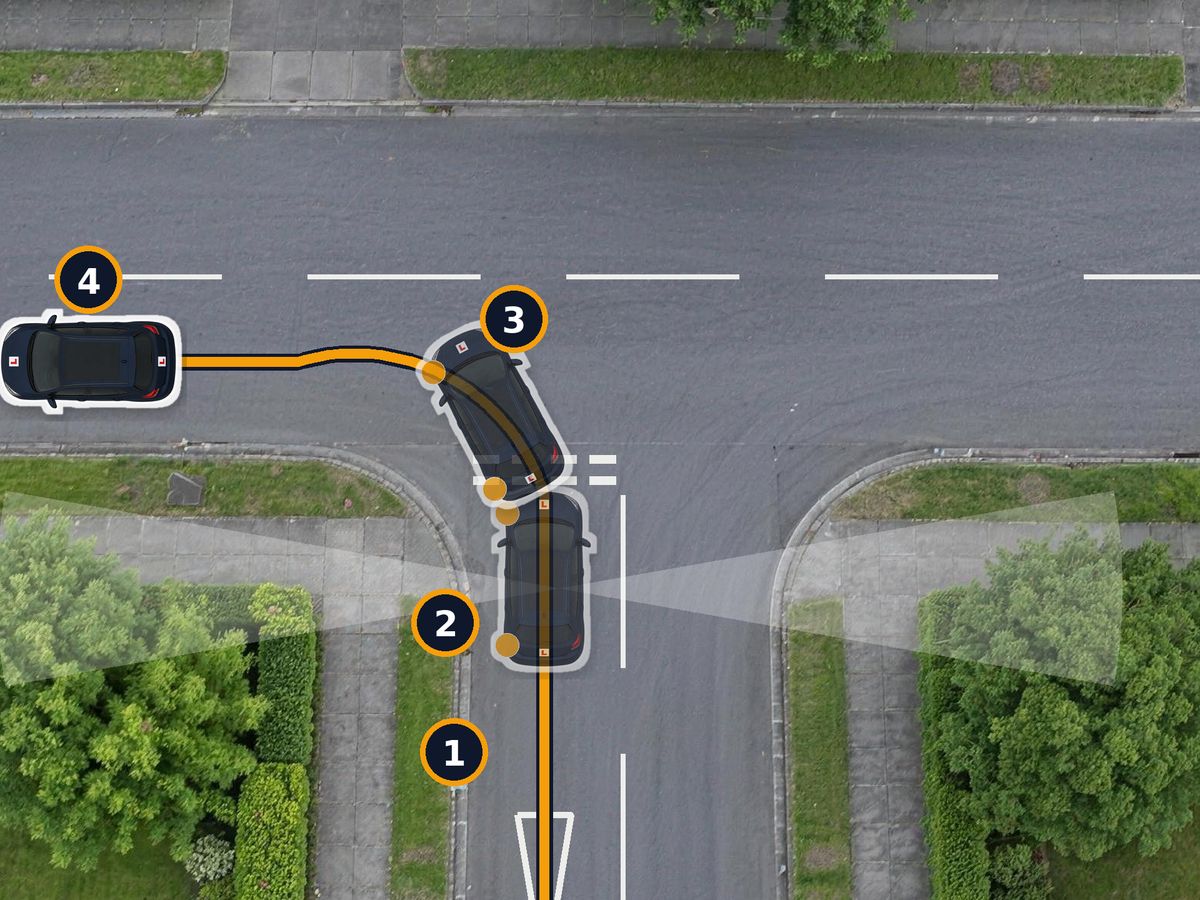
Pulling out to the left
Mirrors, signal left, keep left, slow down
Keep to the left of the side road and slow down early, so you could stop at the line if you need to.
At the line: look right, left, right again
At give way lines, stop if anything is coming or you cannot see. At a stop line, always stop. Look right, left, then right again: traffic from the right reaches you first.
A safe gap: go, into the left lane
Go only when nobody would have to slow down or swerve for you. Keep close to the left as you turn.
Mirrors, signal off, speed up
Check your mirrors for anyone closing up behind, make sure the signal has gone off, and build up to a sensible speed.
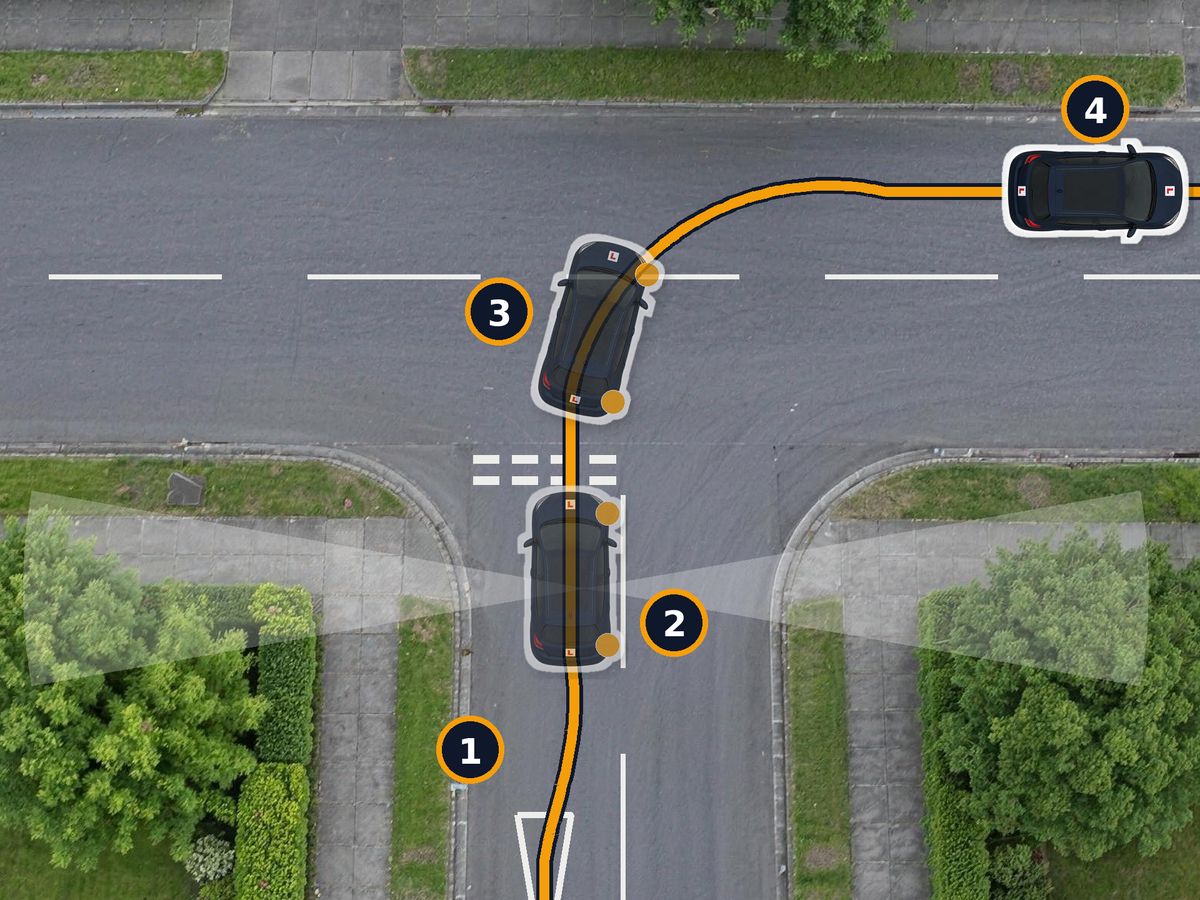
Pulling out to the right
Mirrors, signal right, just left of the middle
Position just left of the middle of the side road, leaving room on your left for anyone turning left.
At the line: look right, left, right again
You are crossing traffic from the right to join traffic from the left, so you need a gap both ways at once.
Clear both ways: go, no cutting the corner
Drive forward until you are nearly at the middle of the main road, then turn into the left side of it.
Into the left lane; mirrors, signal off
Settle into your lane, check your mirrors, and make sure the signal has gone off.
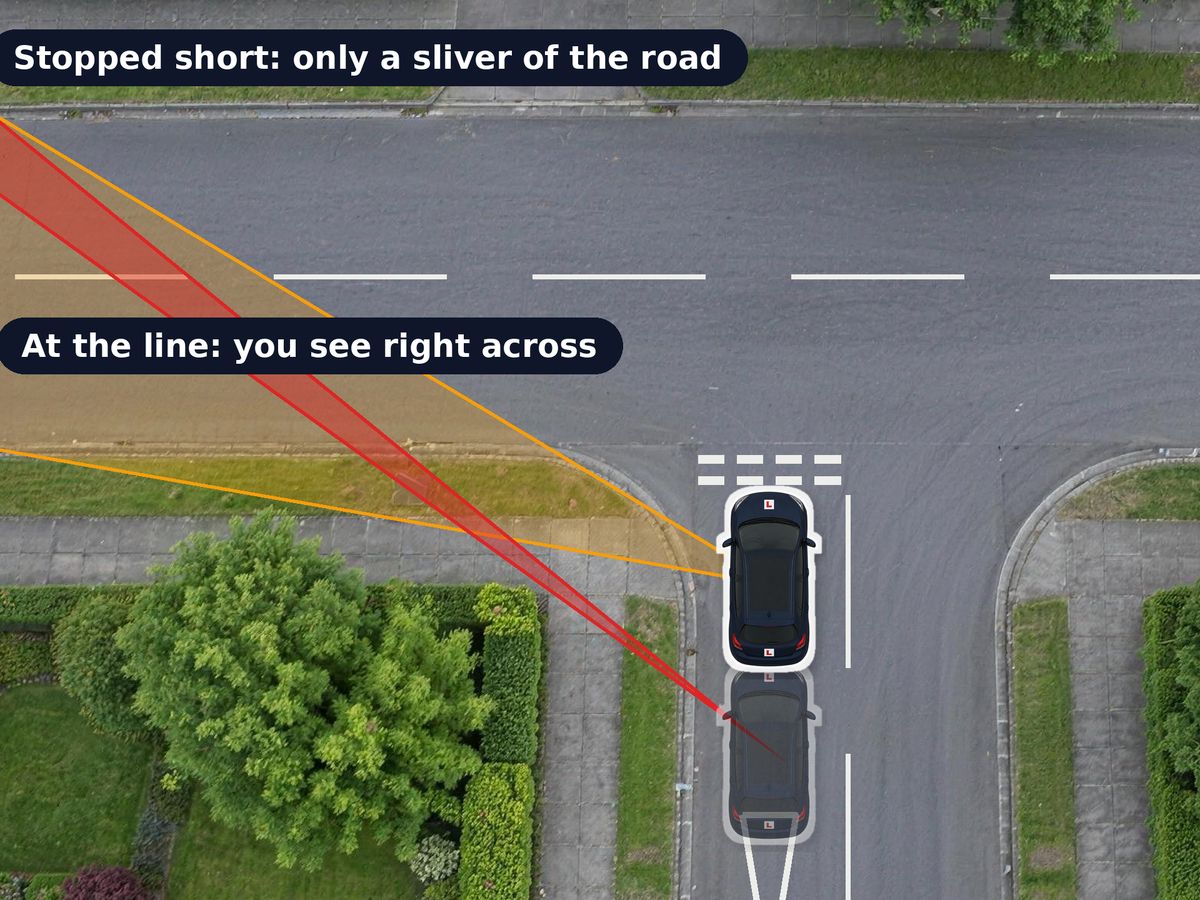
Looking properly before you pull out
Where you stop decides what you can see. Stopped short of the line, a hedge or wall on the corner can hide almost all of the road. At the line, you can usually see right across it.
- Slow down early, so you have time to look before you reach the line.
- Judge speed, not just whether something is there. A car that looks far away can be travelling fast.
- Cannot see? Creep forward a little at a time, looking all the time, until you can. Be ready to stop.
- Look again as you go. Things change in the second or two it takes to pull out.
- Watch for the hard to see: cyclists, motorcyclists and people walking.
Give way and stop
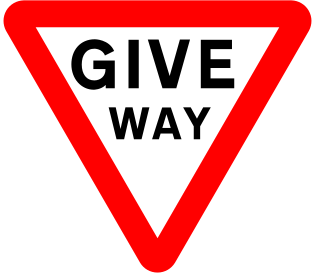
Give way
Two broken white lines across the end of the road, often with a triangle painted on the approach. You must give way to traffic on the main road, but you only stop if something is coming or you cannot see.
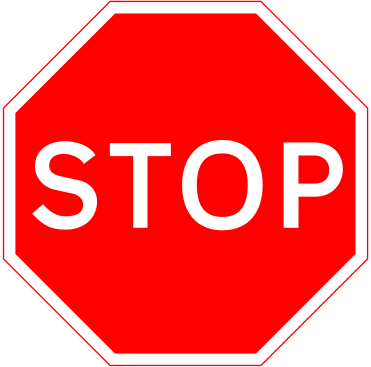
Stop
A solid white line and a Stop sign, used where the view is poor. You must stop every time, even if the road looks clear, then go when it is safe.
People, cyclists and big vehicles
- People crossing the road you are turning into, or out of, have priority once they have started to cross, and you should give way to those waiting to cross too.
- Cyclists going ahead: do not turn across them. Hang back and turn behind them.
- A car signalling left may not be turning. Wait until you are sure before you pull out.
- Long vehicles may need the whole width of the road to get round a corner. Give them room.
The Highway Code says: At a junction you should give way to pedestrians crossing or waiting to cross a road into which or from which you are turning.
And: You should not cut across cyclists, horse riders or horse drawn vehicles going ahead when you are turning into or out of a junction
. The Highway Code, rules H2 and H3.
Junctions quiz
Ready when you are
- 10 questions
- About 3 minutes
- Answers explained
- Nothing saved
Questions people ask
What is the point of turn?
When you turn right into a side road, the point of turn is where the middle of your road meets the middle of the one you are turning into. Turn when the front of your car is about level with it. Turning earlier cuts the corner.
Do you have to stop at give way lines?
No, only if something is coming or you cannot see. You must give way to traffic on the main road. At a Stop sign with a solid white line you must stop every time, even if the road is clear.
How do I stop getting faults for observations at junctions?
Slow down early so you have time to look. Look right, left and right again before you pull out, judge how fast things are coming, not just whether they are there, and if your view is blocked, creep forward until you can see. Look before you move, not once you are moving.
Who has priority when someone is crossing the road I am turning into?
They do, once they have started to cross, and you should give way to people waiting to cross too. The Highway Code says: At a junction you should give way to pedestrians crossing or waiting to cross a road into which or from which you are turning.
Signed in
You are already on Driving Test Hero
Signed in as . Your test, your matches and your email settings are on My swaps.
Go to My swapsFree · about a minute
Not ready for your test date?
You do not have to sit it unready. Most learners want an earlier test, so someone at your centre may well want yours, and a swap gives you their later date with no new fee. DVSA does it over the phone. Ready sooner? It works the other way too. We email you when a learner who could swap with you joins, and your email is never shown to anyone.
Already signed up? Sign in
One email to confirm, no password, and one click takes you off the list. How we handle your details.
No test booked yet? There is nothing to swap until you have one. Book on GOV.UK, then come back.